



Summer squash is a warm-season vegetable crop belonging to the Cucurbitaceae family, the same family as cucumbers, melons, and pumpkins.
Unlike winter squash, it is harvested before the outer rind hardens, so the skin, flesh, and seeds are all edible at the time of picking.
The summer squash plant grows as either a compact bush or a spreading vine, depending on the variety, and it produces fruit continuously throughout the warmer months of the growing season.
It is grown as an annual crop and performs in warm soil with adequate sunlight. This blog covers general tips for growing and maintaining a healthy crop from planting through to harvest.
Why Gardeners Love Growing Summer Squash
The appeal of growing summer squash is largely tied to its reliable, consistent production throughout the season.
Once plants begin setting fruit, harvests come frequently, sometimes several times a week, making it one of the more rewarding crops to maintain over the growing period.
High yields from just two or three plants are common, meaning a modest planting can supply a household with fresh produce for several months.
The wide selection of varieties, including zucchini, yellow squash, patty pan, and straightneck types, gives gardeners options across different sizes, shapes, and culinary uses.
Regular harvesting also encourages continued production, extending the output well into late summer.
Growing Summer Squash Successfully
Consistent care at each stage gives a summer squash plant the best conditions to produce well from the first harvest through to the end of the season.
1. Watering Summer Squash
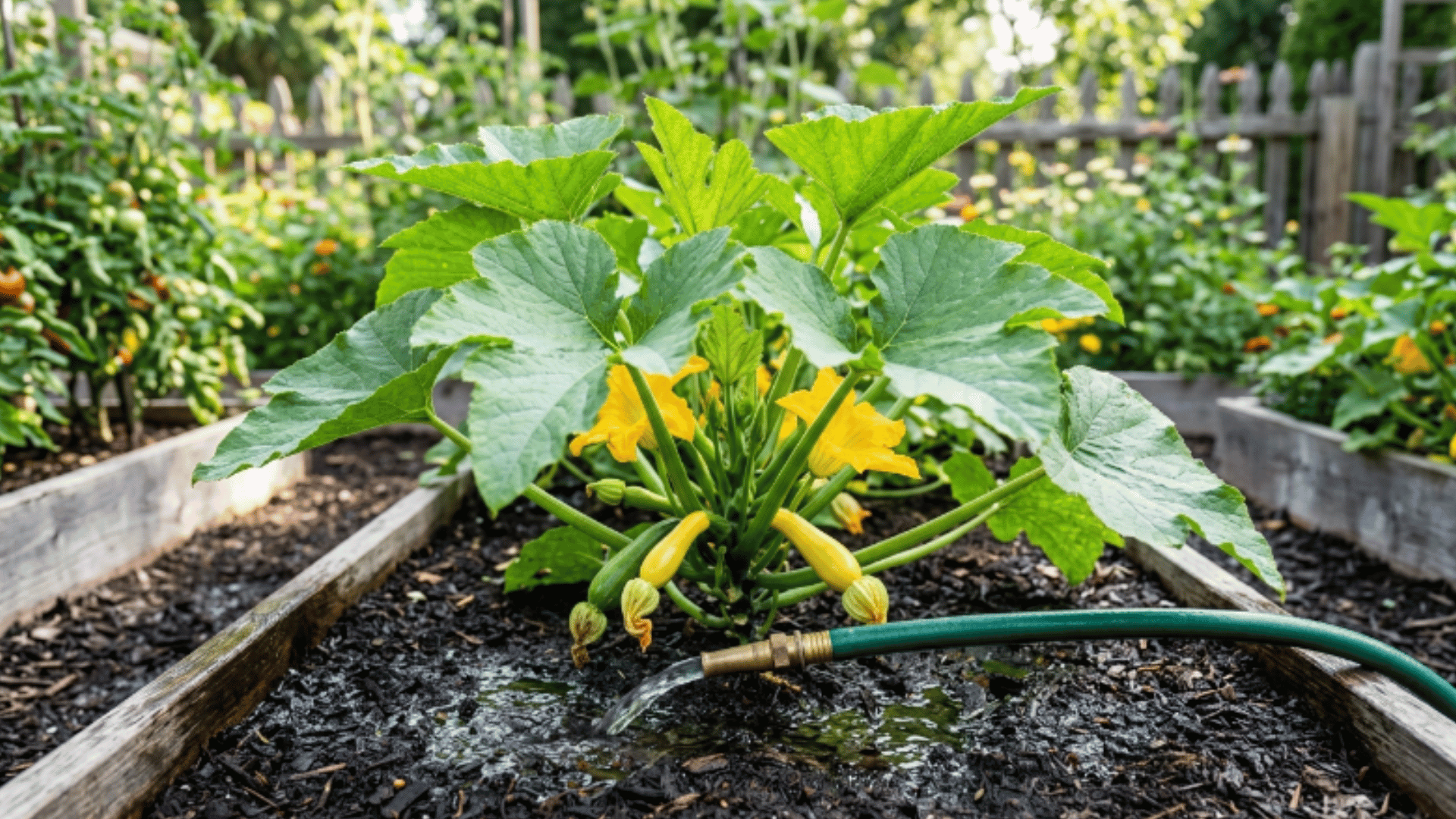
Summer squash needs regular and consistent moisture to develop fruit without stress or interruption. Here is how to water correctly without damaging the root system.
- Deep Watering: Summer squash performs best with slow, deep watering that reaches the root zone rather than light surface watering.
- Soil Level: Keeping water off summer squash leaves reduces the risk of powdery mildew, a common issue for this crop.
- Fruit Stage: A summer squash plant actively setting fruit requires more moisture to support consistent sizing and prevent blossom drop.
- Wet Conditions: Overwatering summer squash during rainy periods can cause root stress and increase the likelihood of fungal disease.
2. Mulching for Moisture Retention
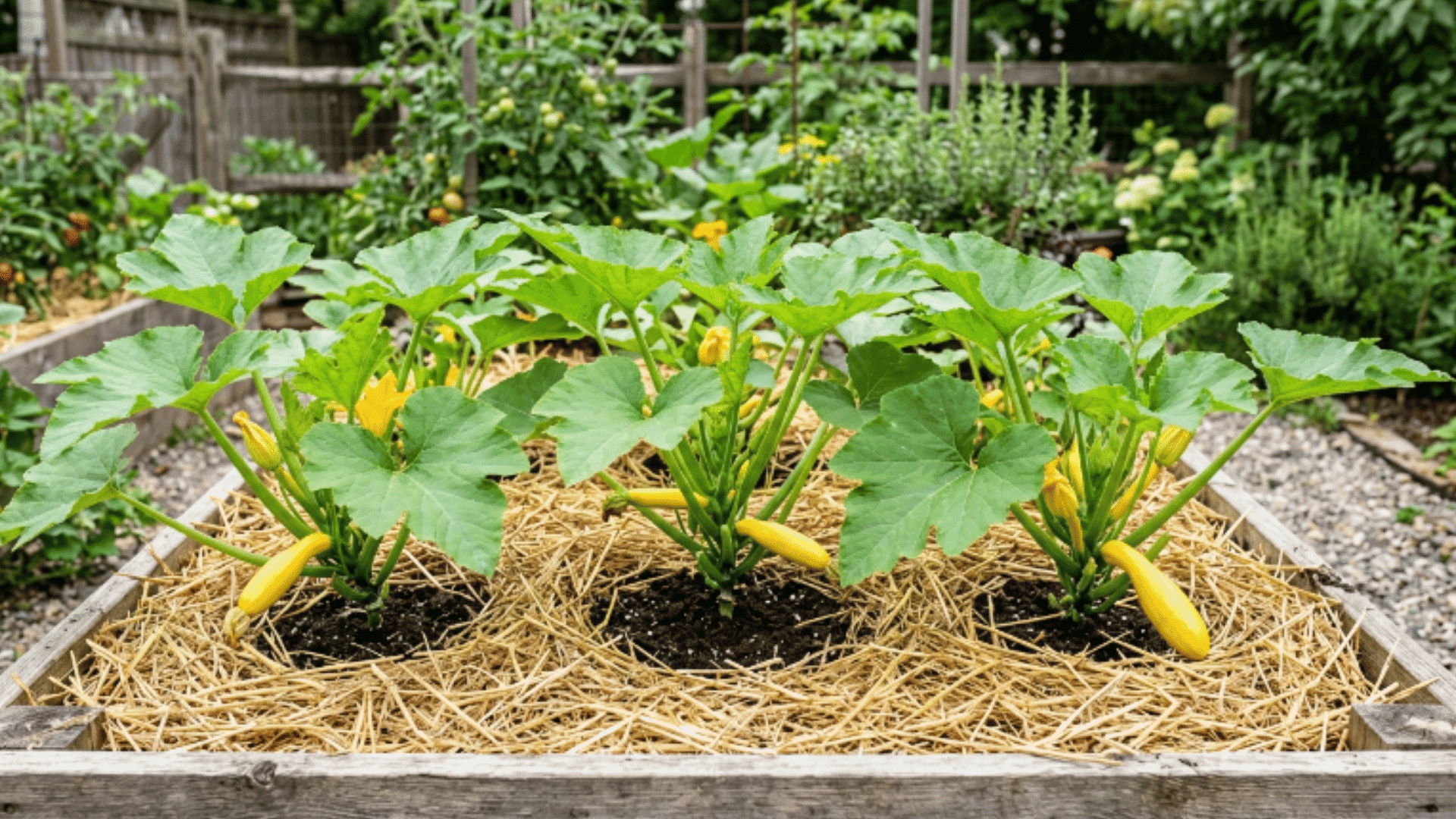
Mulching around summer squash helps the soil hold moisture between watering sessions and keeps root temperature stable. Here is how to apply it for the best outcome.
- Base Layer: A layer around the base of the summer squash plant slows surface evaporation and reduces the frequency of watering.
- Straw Works: Both straw and shredded leaves work well around summer squash, breaking down gradually and adding organic matter back into the soil.
- Stem Clearance: Direct contact with the summer squash stem can trap moisture, leading to stem rot at the base of the plant.
- Regular Topping: Mulch breaks down throughout the summer, so reapplying maintains the protective layer throughout the growing season.
3. Fertilizing for Bigger Harvests
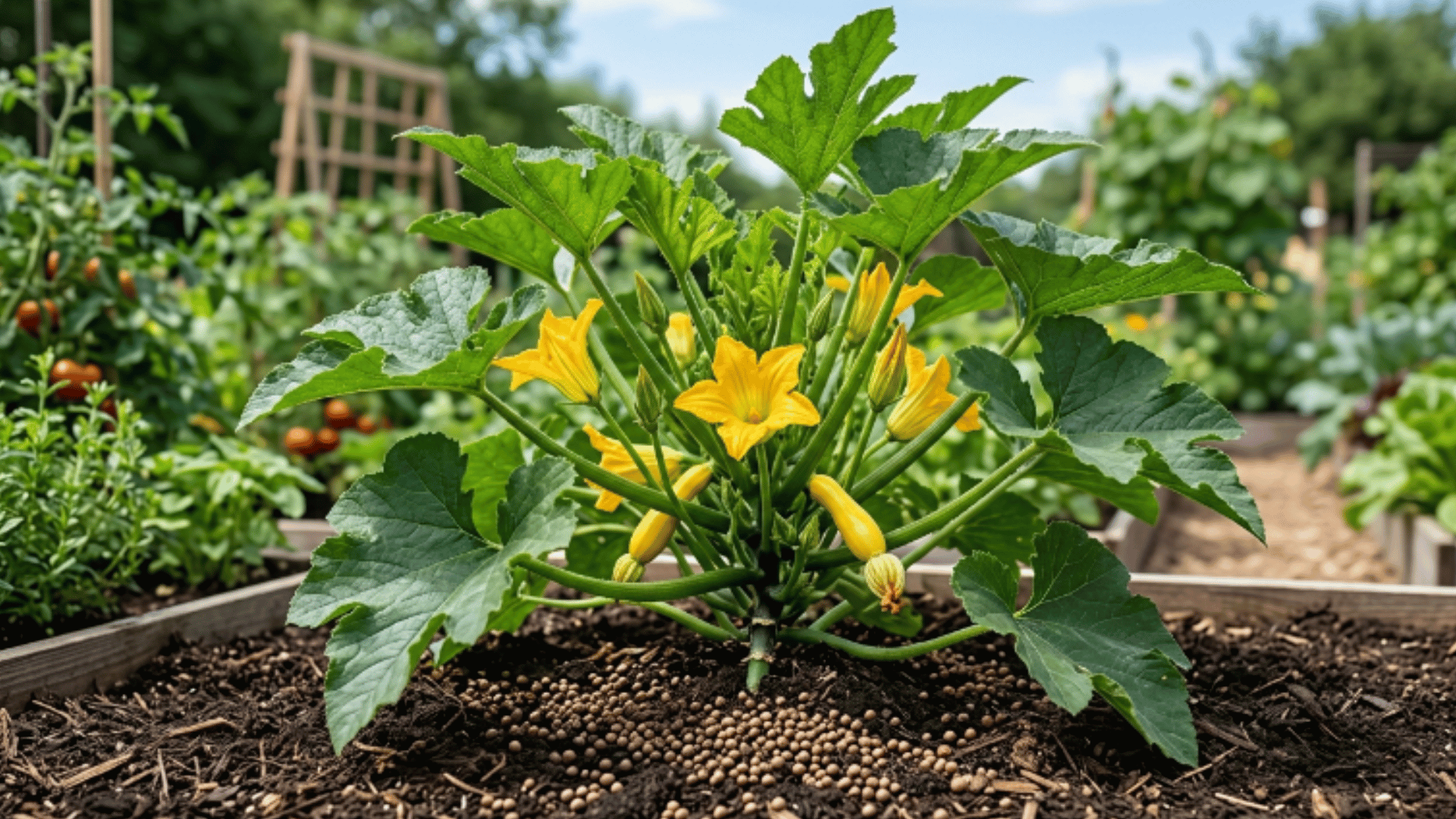
Feeding a summer squash plant at the correct stages directly supports leaf development, flowering, and the size of each harvest. Here is how to fertilize without causing an imbalance.
- Balanced Start: A balanced NPK fertilizer gives growing summer squash the nitrogen and phosphorus needed for strong early establishment.
- Lower Nitrogen: High nitrogen during flowering directs energy into leaves rather than fruit on a summer squash plant.
- Regular Applications: Consistent feeding throughout the season keeps summer squash producing steadily rather than in irregular bursts.
- Avoid Overfeeding: Excess fertilizer toward the end of summer encourages soft growth that is more prone to pest and disease damage.
4. Encouraging Flowers and Fruit
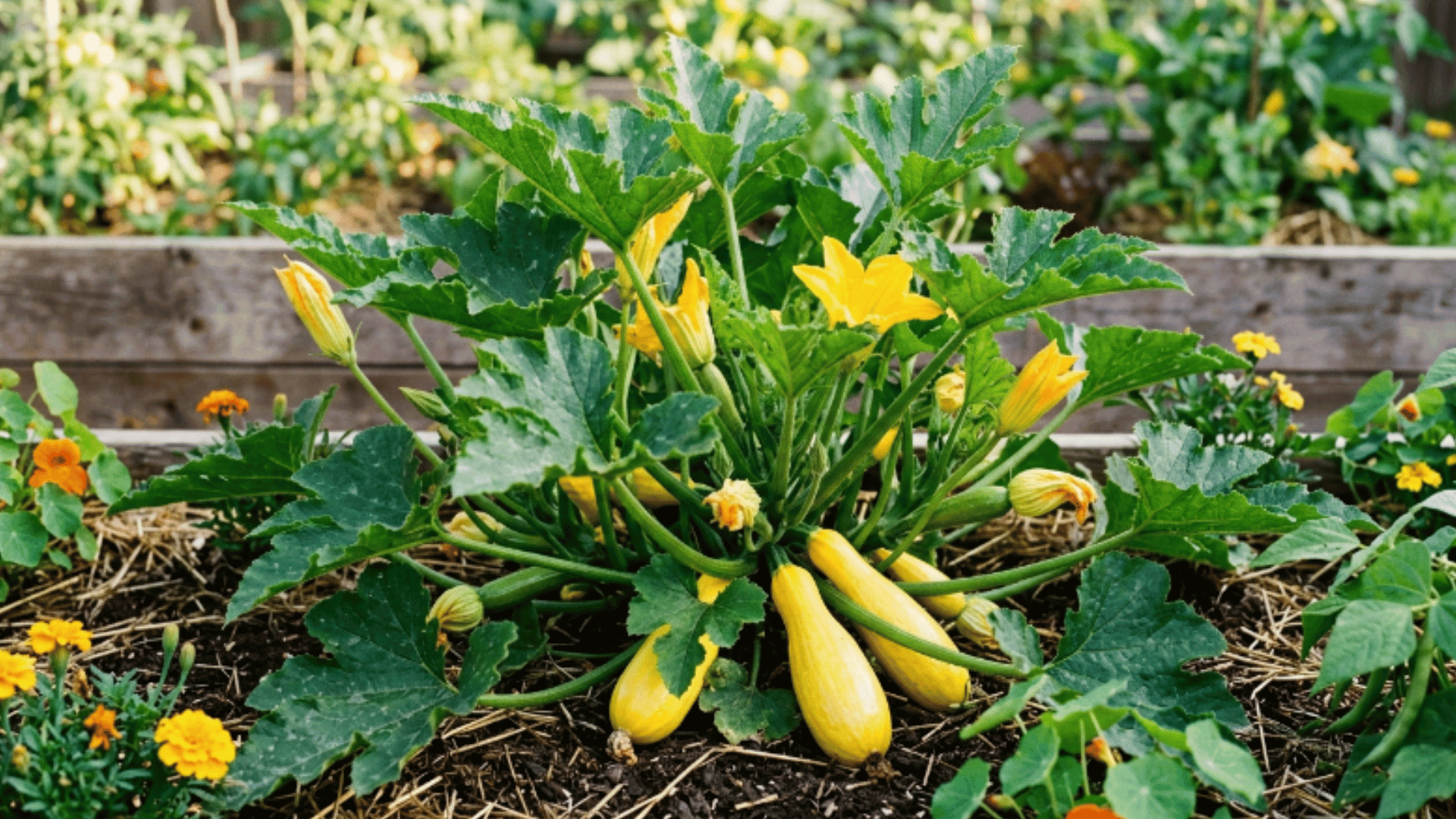
A summer squash plant that produces plenty of flowers but limited fruit usually needs one or more simple growing adjustments. Here is how to improve both flower count and fruit set.
- Timely Harvesting: Leaving oversized fruit on the plant signals it to slow production, so harvesting promptly keeps new flowers coming.
- Full Sun: Summer squash requires six to eight hours of direct sun daily to produce enough flowers for a strong yield.
- Reduce Nitrogen: Once a summer squash plant begins flowering, excess nitrogen causes leaf growth at the expense of fruit development.
- Even Moisture: Irregular watering during the flowering stage is a common cause of blossom drop on summer squash plants.
5. Supporting Pollination
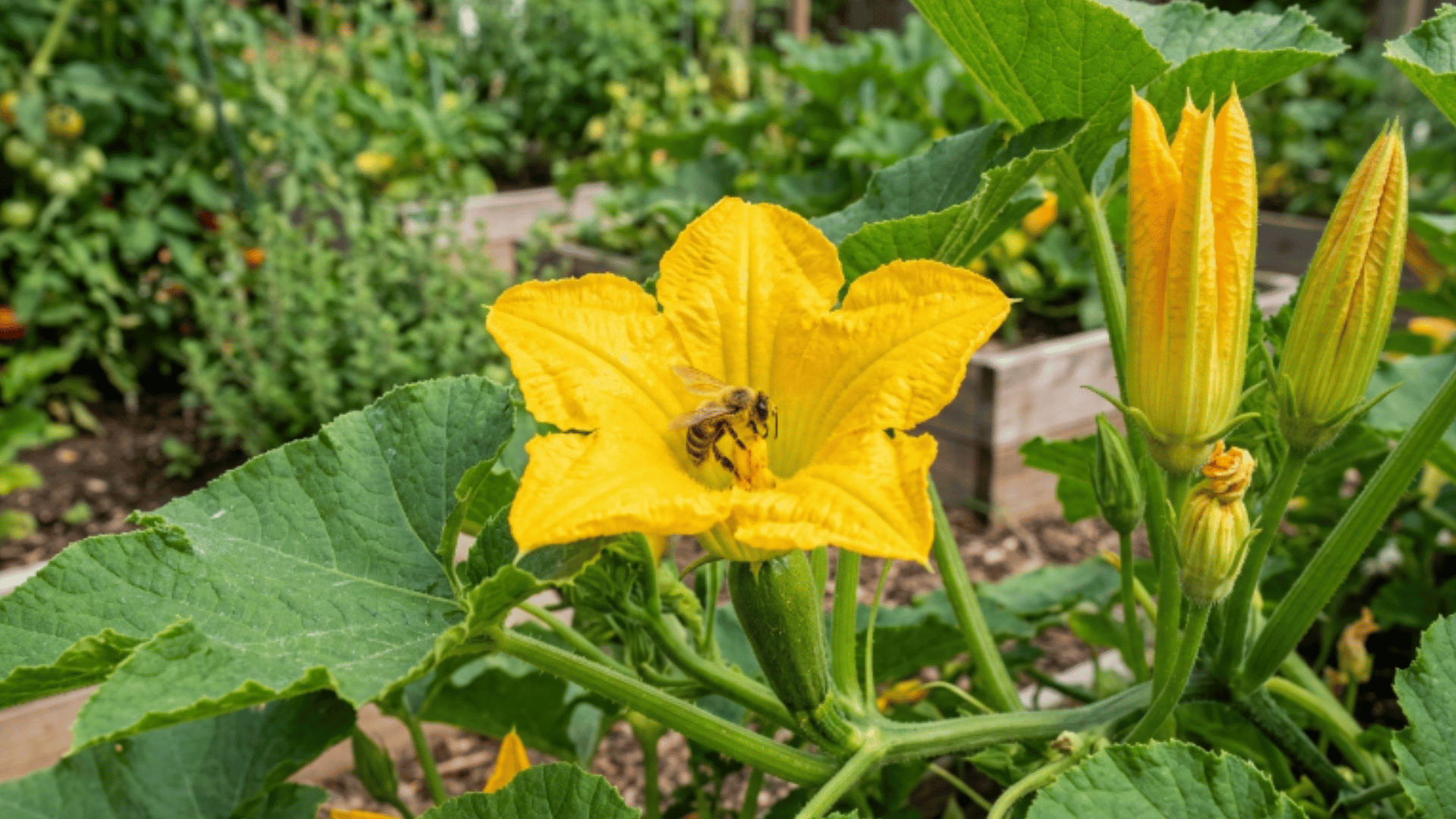
Growing summer squash successfully depends on reliable pollination, as unpollinated flowers will not develop into harvestable fruit. Here is how to improve pollination when needed.
- Flower Identification: Female summer squash flowers have a small fruit-shaped swelling at the base, while male flowers grow on plain, thin stems.
- Hand Pollinating: Using a dry brush to transfer pollen from a male to a female flower significantly improves fruit set in summer squash.
- Companion Planting: Marigolds and nasturtiums grown alongside summer squash attract bees, boosting natural pollination across the bed.
- Avoid Spraying: Applying pesticides while summer squash is in flower reduces pollinator visits and leads to poor or incomplete fruit development.
Best Soil Type for Summer Squash Plants
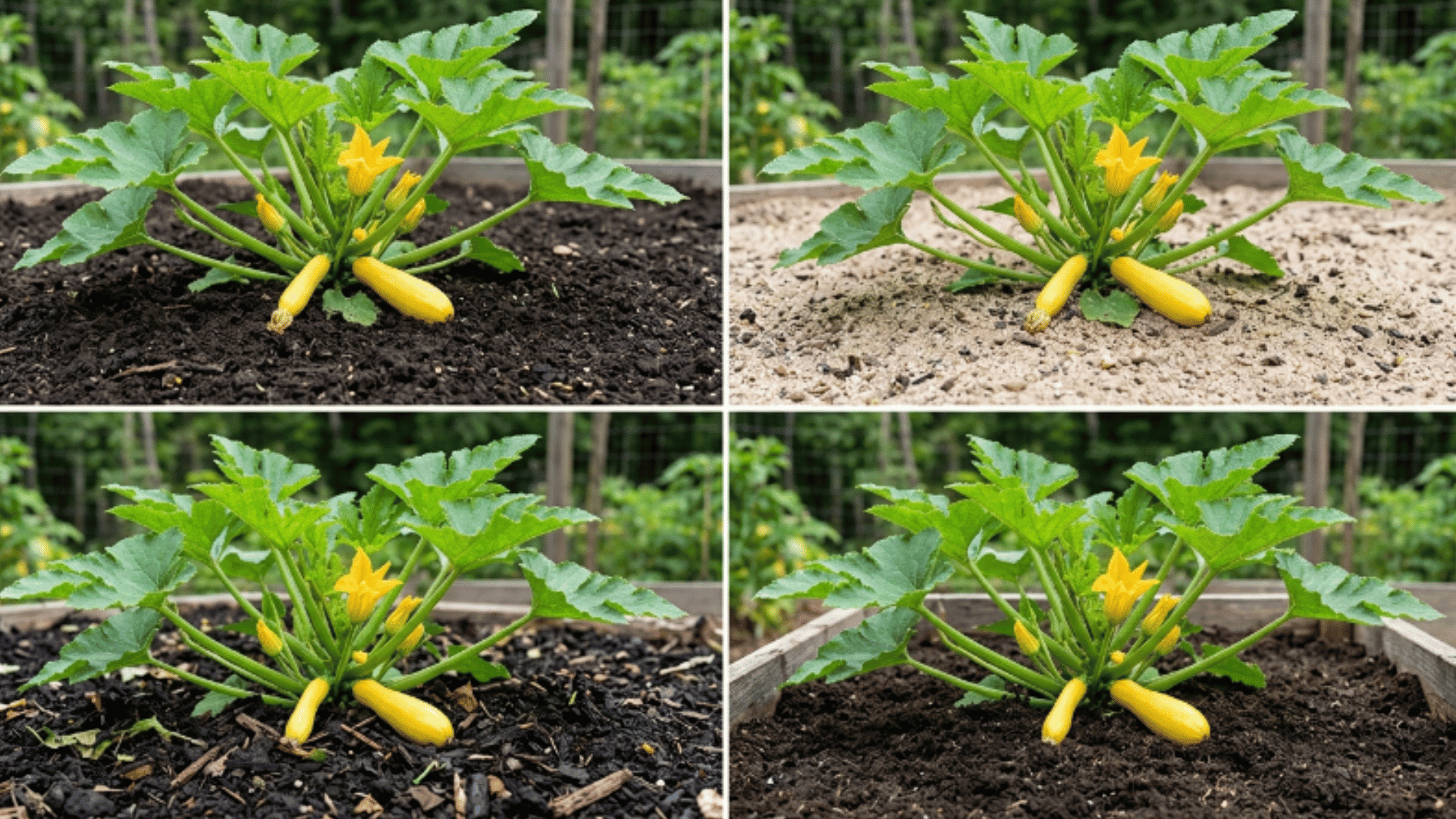
The table below highlights the best soil types for growing stronger, healthier, and more productive summer squash plants in different home garden conditions.
| Soil Type | Main Benefit | Watch For |
|---|---|---|
| Loamy Soil | Balanced nutrients and moisture | Needs compost yearly |
| Sandy Loam Soil | Quick drainage | Dries out faster |
| Compost-Rich Soil | Strong plant growth | Can hold extra moisture |
| Raised Bed Mix | Better airflow and drainage | Needs frequent watering |
Summer Squash Care for Every Region
Growing summer squash in different climates requires small but consistent adjustments to planting timing, watering, and plant protection to maintain healthy yields across the season.
- Humid Regions: Space plants further apart in humid areas to improve airflow and reduce the risk of powdery mildew developing on foliage.
- Cooler Climates: Start seeds indoors two to three weeks before the last frost date to give plants a reliable head start in shorter seasons.
- Dry Conditions: Water deeply and less frequently in dry climates to encourage roots to grow deeper, where soil moisture is more stable.
- Heat Waves: Increase watering frequency and provide temporary afternoon shade when temperatures rise sharply to prevent blossom drop and fruit loss.
- High Altitude: Use row covers during cooler evenings at higher elevations to maintain the soil warmth needed for consistent fruit development throughout the season.
Final Thoughts
A productive summer squash harvest comes down to getting the basics right and staying consistent throughout the season.
Soil preparation, correct watering, timely feeding, and attentive harvesting each play a role in how well the crop performs.
The summer squash plant responds well to regular attention and will continue producing as long as conditions are maintained.
Small problems are easier to correct early, so checking the plants frequently makes a noticeable difference to the final yield. Start with one or two plants, follow the guidance in this blog, and adjust as the plants grow throughout the growing season.
Frequently Asked Questions
Can Summer Squash Grow In Partial Shade?
Summer squash grows best in full sun, but it can still produce in partial shade with at least 5–6 hours of direct sunlight daily.
Why are My Summer Squash Leaves Turning Yellow?
Yellow leaves often occur due to overwatering, poor drainage, nutrient imbalance, or natural aging near the base of the plant.
How Many Summer Squash Can One Plant Produce?
A healthy summer squash plant can produce 10–20 squash or more during the growing season with proper care and regular harvesting.